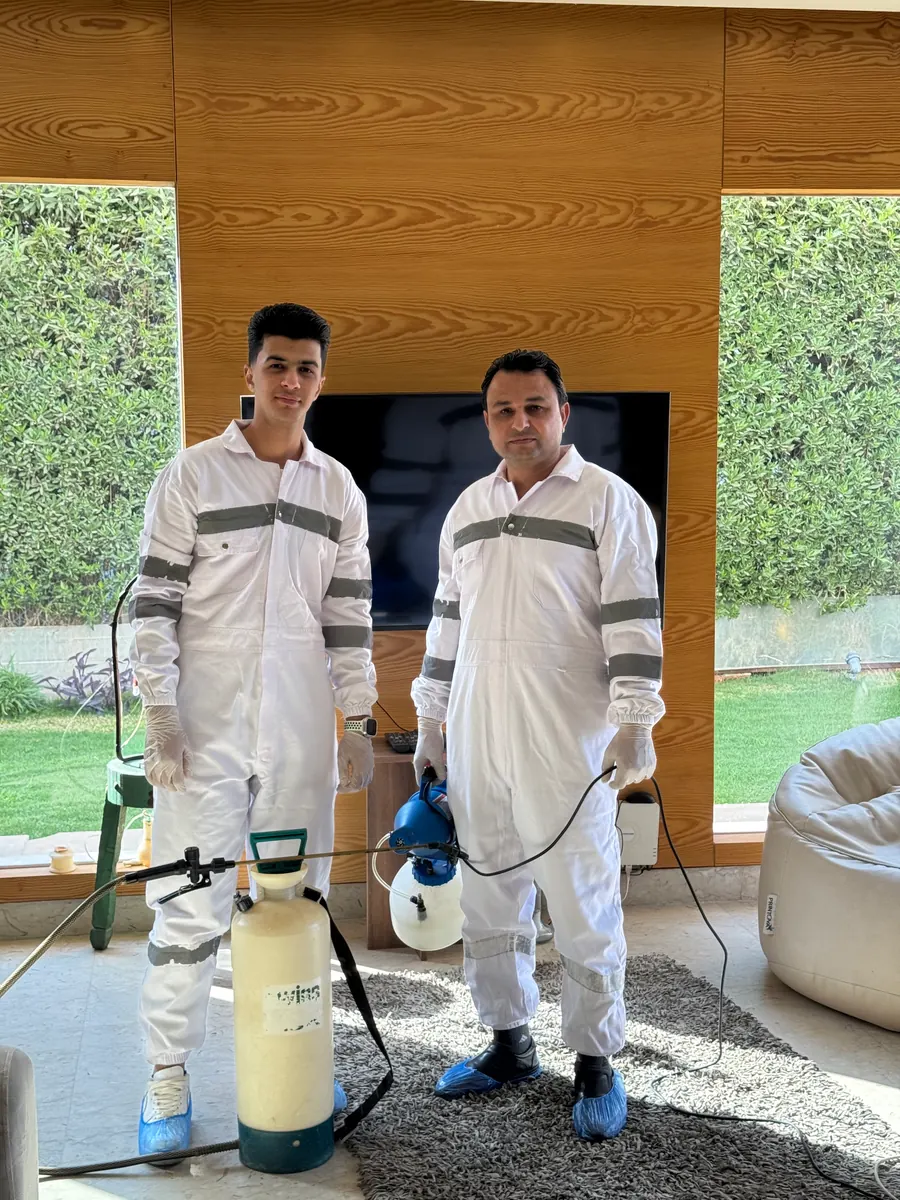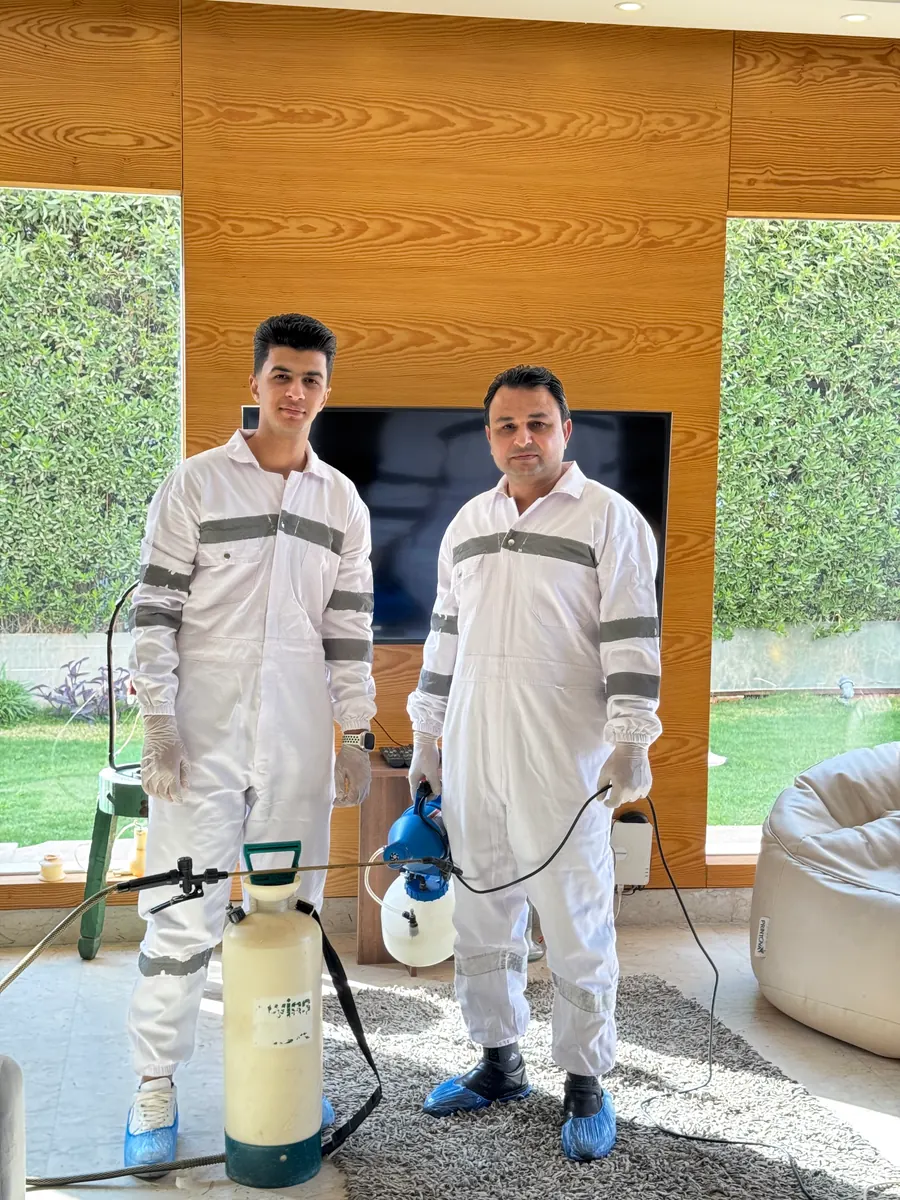
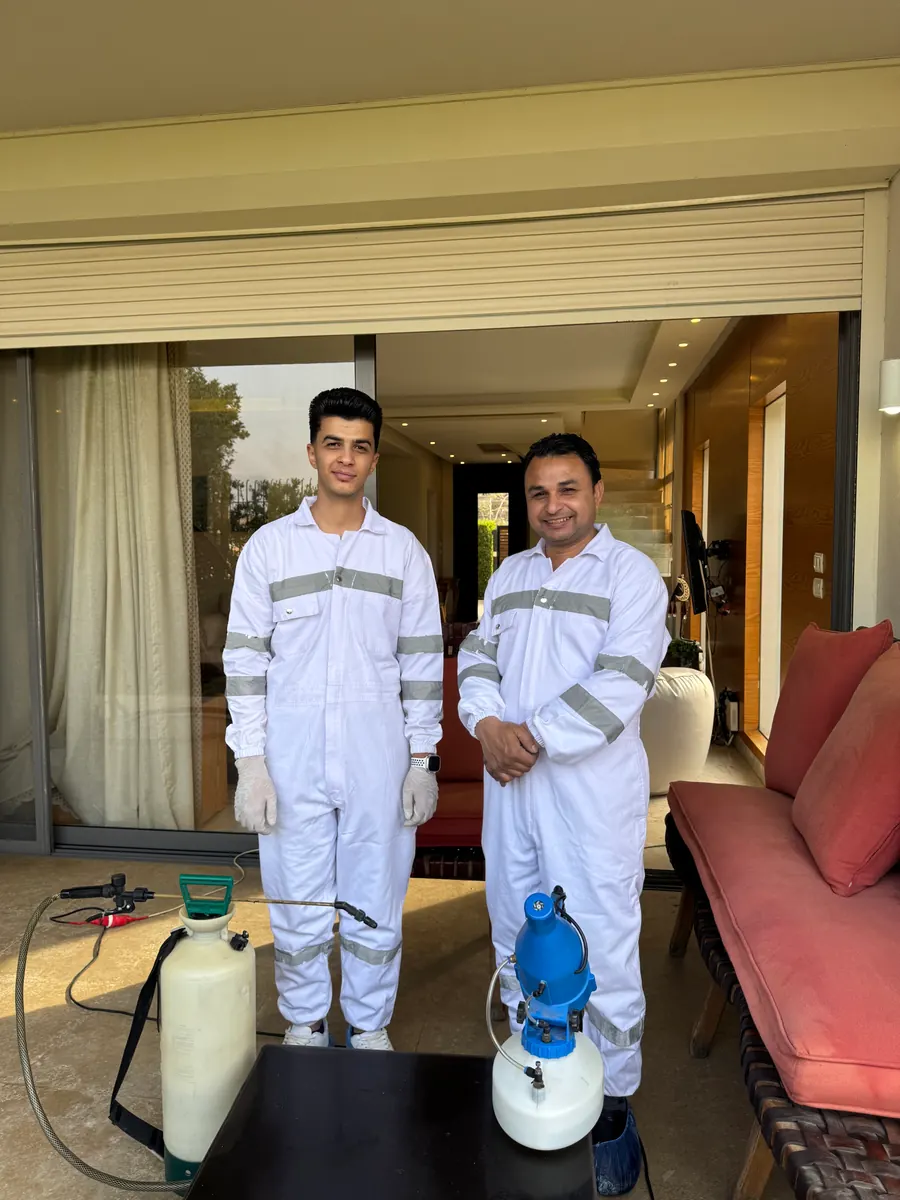
A scratching sound in the false ceiling. You hear it at 2 AM as you try to sleep. You think: maybe the wind. You ignore it. The next night — the sound is louder. The third night — it happens in the bedroom. You turn on the light, raise your head, and see a rat's tail disappearing behind the closet.
The moment a rodent enters your home is not just a nuisance. It is the start of a health, security, and possibly financial disaster. In the first 24 hours, this rodent will defecate 40-50 times on your kitchen floor, walk on plates you just washed, and gnaw on a refrigerator cable (most importantly: a cable that may start a fire).
In this guide, we explain: why rodents are far more dangerous than people think, the species in Cairo and how to recognize them, the European protocol we use to safely eliminate them (without risks to children and pets), and the strongest prevention tips after treatment.
Real Rodent Risks at Home
1. Transmitted Diseases
Rodents are documented carriers of more than 35 diseases affecting humans. The most common and dangerous in Egypt:
- Salmonella — severe food poisoning transmitted via rodent contamination of food
- Leptospirosis — transmitted via rodent urine, causes kidney and liver failure
- Rat-bite fever — transmitted from rodent bite directly
- Plague — rare today but historically transmitted by rodents
- Hantavirus — breathing dust containing rodent urine causes serious respiratory complications
- Multiple bacterial infections — from rodent urine on treated surfaces
2. Electrical Cable Damage and Fires
A rodent's teeth grow throughout its life. To stay short, it must gnaw something hard daily. Its preference: cables. 20% of home fires in Egypt are caused by rodents gnawing electrical cables. This is not an exaggerated statistic — these are local civil defense numbers.
3. Financial Cost
A single rodent in a home for a month consumes about 3 kilos of food, and damages 20 times that with droppings (making food inedible). It also damages cables, wires, fabrics, books, and furniture. The monthly cost of one rodent may reach thousands of pounds.
Rodent Species in Cairo
1. Norway Rat (Brown Rat) — The Most Common
Large size (20-25cm without tail), brown color, prefers ground-level places, basements, and drains. Usually enters the home through drain openings. It is 60% of rodent cases in Cairo.
2. Roof Rat — The Climber
Medium size (17-20cm), black/dark brown color, tail longer than body. Specialized in climbing — enters the home through the roof, neighboring trees, electricity wires. Prefers high places (false ceiling, upper floor).
3. House Mouse — The Small One
Small size (7-10cm without tail), gray/brown color. Less dangerous than large rats but reproduces faster. Can enter through pencil-sized openings (6mm).
Signs of Rodents at Home
- 1Small droppings (resembling black rice grains) — especially near food, behind appliances, in cabinets
- 2Gnaw marks on cables, woods, or stored foods
- 3Dark greasy spots on walls (rodents leave fur oils on regular paths)
- 4Scratching sounds at night — especially between 11 PM and 4 AM
- 5Strong distinctive urine odor, especially in closed places (cabinets, under sinks)
- 6Nests (woven from torn paper and cloth) in warm isolated places
- 7Dogs and cats staring at walls/ceiling without clear cause — they hear what you do not
The European Rodent Control Protocol
Rodent treatment needs precise balance: killing them safely without exposing children and pets to danger. This European protocol achieves the equation:
Step 1: Inspection and Entry Point Identification
The technician inspects the home, identifies the rodent species (treatment differs between large and small), and maps entry points and pathways (routes the rodent regularly walks, characterized by greasy spots).
Step 2: Tamper-Proof Stations
Instead of exposed bait (which a child or animal might touch), we use locked bait stations. The rodent enters them, eats the bait, dies inside or in its nest. No child or animal can open the station. Stations are placed where rodents move, away from human reach.
Step 3: Mechanical Traps for Sensitive Cases
In homes with very young children (under 2) or many pets, we prefer mechanical traps over bait. The trap is completely safe, kills the rodent immediately, and is disposed of after each catch in a sanitary way.
Step 4: Sealing Entry Points
We fill all discovered openings (around pipes, in walls, around windows, drain openings) with specialized materials rodents cannot gnaw (metal mesh + fast cement). Without this step, new rodents will enter through the same openings within weeks.
Step 5: Weekly Follow-up for a Month
Every week, the technician returns to inspect stations, refresh bait, place new traps in active points. This follow-up is the difference between temporary and final treatment. Smart rodents may avoid bait initially, so follow-up reveals this.
Step 6: Written Warranty + Early Warning System
After confirming the home is rodent-free, written 3-year warranty certificate. We also leave 2-3 permanent monitoring stations in strategic points. If any rodent enters in the future, detection will be immediate.
Why Are Popular Traps Insufficient?
Many people try popular solutions first. These are reasons for their failure:
- One trap for 10 rodents — just a partial solution. You need 2-3 traps per suspected rodent
- Smart rodents avoid traps — they see one rodent killed in a trap and remember its shape and avoid it
- Bait loses attractiveness — needs renewal every 3-4 days, most people forget
- Trap in the wrong place = zero effectiveness — a professional technician knows exactly where rodent paths are
- Treating appearance, not the cause — you kill two rodents, 5 others come from the same entry opening
Our Experience: 1,700 Homes Freed from Rodents
Since our beginning, we have treated more than 1,700 homes and commercial stores from rodents in Greater Cairo. We have dealt with: residential apartments in all areas, villas in compounds, restaurants and cafés, commercial warehouses, farms. Each case needed a customized protocol, but the result was always the same: rodents disappeared and did not return.
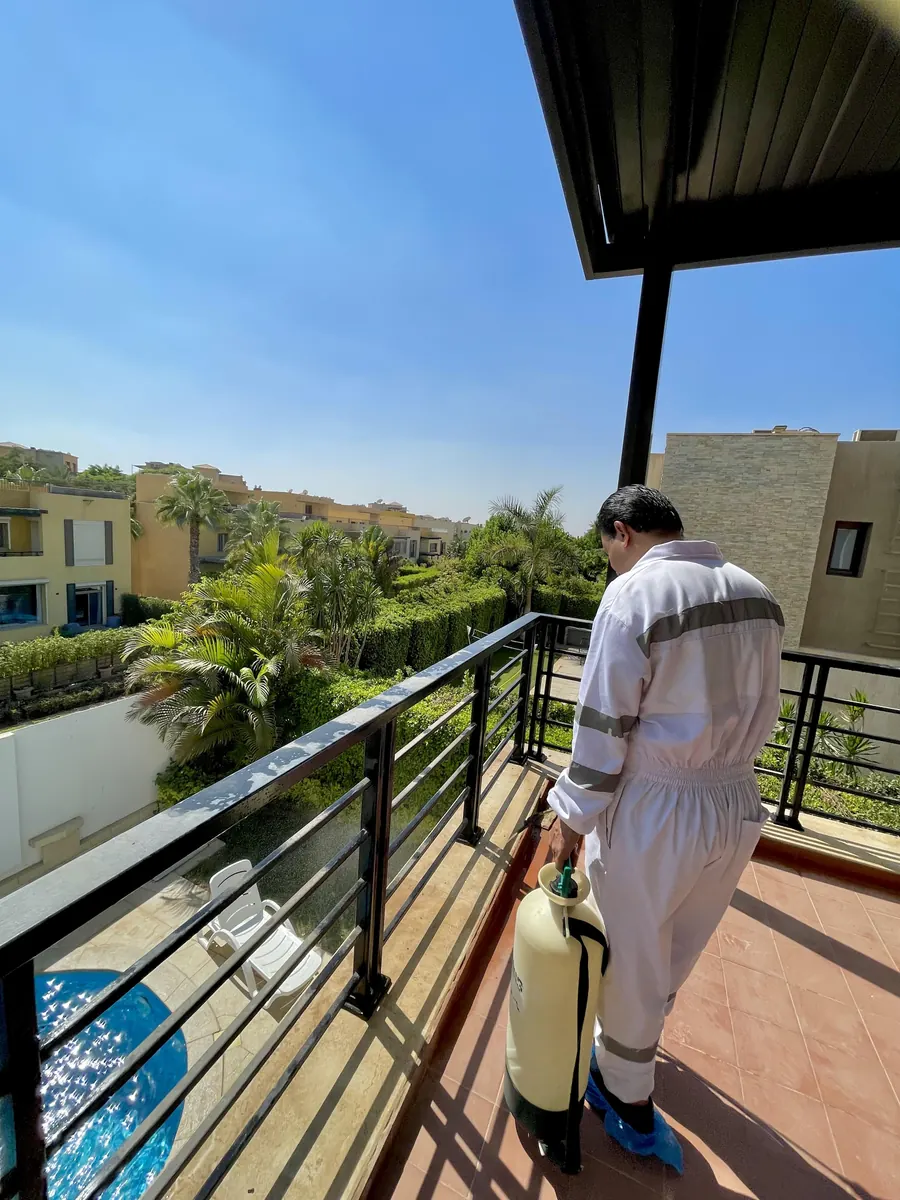
"We had rodents in the false ceiling for two years. We tried every trap on the market. Each time we kill one, two come. With the German Company, the technician discovered the rodents enter from an opening near the outdoor AC. He sealed it, placed stations. Within 3 weeks, no rodent at home. For 14 months now, a clean home."
Prevention Tips After Treatment
- 1Dispose of garbage daily — do not leave trash bags overnight
- 2Keep all dry goods (rice, sugar, flour) in tight containers — not plastic bags (rodents gnaw them)
- 3Do not leave pet food on the floor at night
- 4Ensure bathroom drain openings are closed with metal mesh
- 5Inspect around the home every month — any new opening, seal it immediately
- 6Do not leave cardboard boxes and old items in the garage or roof — they are ready nests
- 7If your neighbor has rodents, suggest joint treatment — rodents move between apartments
- 8Keep the garden organized — dense plants near the wall = easy passage for rodents
Frequently Asked Questions
Are baits safe for my children and cat?
Yes. We use locked bait stations, no child or animal can open them. The bait is inside the station, away from any reach. For homes with very young children, we prefer mechanical traps only.
How long does treatment take to eliminate rodents?
First session: 2-3 hours. Results begin in 72 hours (you see a dead rodent). Complete elimination within 3-4 weeks, with weekly follow-up.
Dead rodents — do I handle them or do you come?
Do not touch them yourself. Call us, the technician comes and handles them with sterilized tools. The dead rodent may transmit diseases via direct touch. This is a service included in the contract.
Does the treatment have an odor?
Baits have no odor (they attract rodents with the bait but do not cause home odor). However, a rodent dying in a hidden place (inside a wall) may cause an odor for 7-10 days. The technician always tries to place baits in a way forcing the rodent to die in an accessible place.
How do you prevent rodent return after treatment?
The most important step: sealing all entry points. We also leave 2-3 permanent monitoring stations. If a new rodent tries to enter in the future, it will die before reproducing, and you will know immediately via the technician inspecting the stations.
Do you handle rodents in restaurants and commercial facilities?
Yes. We have a specialized division for commercial facilities — restaurants, hotels, hospitals, warehouses. We provide periodic written reports, health certificates to present to relevant authorities.